


Apologies, this is a rushed article. The ridiculous charade of the Trump Peace Plan needs to be destroyed. Permanently.
There is a mistake we keep making when we look at corruption, scams, and geopolitics in isolation.
We ask who did it, instead of where it plugs in.
Once you map today’s political grifts, crypto schemes, “peace plans,” and tech hype onto the same physical system, energy, minerals, compute, and trade routes, the pattern stops being mysterious.
It becomes boringly consistent.
This article maps that system, using one real-world example per layer.
I. Energy & Hard Assets
Example: Uranium speculation and nuclear leverage
At the base of everything is electricity — not ideology.
AI, crypto mining, industrial compute, and modern states all require continuous baseload power. That reality has quietly dragged nuclear energy back to the centre of global politics.
A clean example is Yellow Cake plc, a mystery Jersey based company with Lord Bletso as a director who is very influential in UK AI policy and mineral extraction in Africa. A publicly listed vehicle that exists solely to hold physical uranium. It doesn’t build reactors. It doesn’t innovate. It simply sits on fuel.
That alone tells you something important: scarcity is now an asset class.
This matters because nuclear power is no longer framed as climate policy — it is framed as strategic continuity. Ukraine’s Zaporizhzhia Nuclear Power Plant showed how civilian energy infrastructure can become a geopolitical hostage overnight.
What we know
Nuclear fuel supply is tight and politically sensitive
Uranium prices respond to war and sanctions, not demand curves
Energy assets increasingly sit at the centre of diplomatic “solutions”
What this implies
Any “peace” that stabilises energy flows is financially valuable
Energy security now outranks sovereignty in some negotiations
This is the ground layer. Everything else is built on top of it.
II. Compute, Crypto, and the Illusion of Abstraction
Example: Industrial crypto mining as energy arbitrage
Crypto was sold as decentralised finance. In practice, it became industrial-scale electricity monetisation.
Large mining operations require:
Vast, uninterrupted power
Specialised GPUs or ASICs
Cooling infrastructure
Weak or permissive regulation
Which is why they cluster near:
Nuclear plants
Hydro dams
Cold climates
Peripheral regions
This is the same physical footprint now being claimed by AI data centres.
Crypto mining taught the market a dangerous lesson: energy can be turned directly into money via compute, bypassing traditional oversight. AI inherits that model with better public relations.
What we know
Crypto mining energy use rivals small nations
Hardware supply chains overlap with AI almost entirely
Profitability depends more on electricity price than “innovation”
What this implies
AI and crypto are not opposites, they are successive drafts
Control of power and minerals matters more than code
The “digital” economy is deeply physical, whether we admit it or not
Eric Trump’s American Bitcoin specifically targets new ways to “mine bitcoin”
https://www.theguardian.com/us-news/2025/dec/02/eric-trump-american-bitcoin-stock?CMP=share_btn_url
III. Financial Opacity & Political Monetisation
Example: Trump-adjacent crypto and deal narratives
This is where geopolitics and grift intersect.
Figures like Donald Trump repeatedly orbit schemes involving:
Real estate
Energy rhetoric
Crypto flirtation
Vague “deal-making” promises
The common thread is not policy. It’s liquidity.
A frozen conflict, softened sanctions, or a “peace deal” creates the conditions for capital to move again, particularly capital tied to energy, commodities, or speculative tech.
This is why Trump’s Ukraine “peace plan” is deliberately vague. Precision would trigger resistance. Ambiguity keeps options open.
What we know
Sanctions relief unlocks enormous capital flows
Markets reward “stability” narratives regardless of justice
Trump’s politics are consistently transactional, not institutional
What this implies
Peace becomes a financial instrument
Ukraine is treated as a conduit, not a subject
Infrastructure logic quietly outranks moral language
IV. Narrative Laundering at the Retail Edge
Example: Farage, Mappin, and grievance monetisation
At the edge of the system are the retail-facing operators — the ones who translate structural extraction into stories ordinary people can buy into.
Figures like Nigel Farage and John Mappin operate here.
Different scale. Same function.
They sell:
Sovereignty without infrastructure
Freedom without regulation
Wealth without custody
Certainty without evidence
Crypto schemes, bullion pitches, “anti-elite” media ecosystems — these are not random scams. They are narrative wrappers around the same energy–finance system.
Retail participants take risk.
Upstream actors take assets.
What we know
These schemes cluster around crypto, gold, property, and media
They rely on grievance and insider language
Failure is externalised; belief is internalised
What this implies
Narrative is not decoration, it is a delivery mechanism
Political identity is being converted into financial exposure
Scams are a feature of systemic stress, not an anomaly
The GIUK hinge: where it all meets
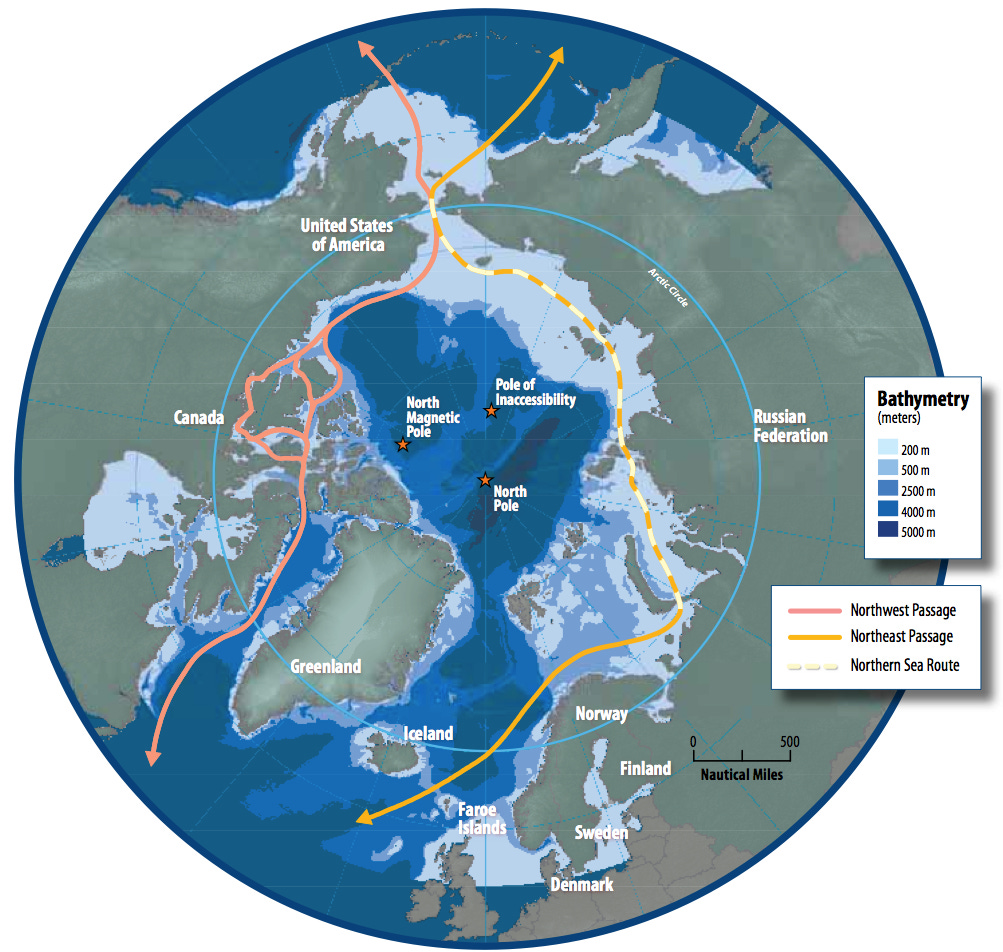
The GIUK Gap, Greenland, Iceland, UK is where this entire system passes through.
It controls:
Arctic trade access
Energy transit
Undersea data cables
Military and commercial chokepoints
A peace plan that ignores GIUK is not serious.
A peace plan that depends on GIUK staying quiet is something else entirely. By taking control of GIUK via a weak Farage government Trump and Putin bypass Europe completely for energy, crypto, ai and trade. Europe no longer holds the whip hand over the autocrats.
The Result
This is not one conspiracy.
It is one stressed global system, repeatedly expressing itself through:
Energy leverage
Compute concentration
Financial abstraction
Narrative laundering
The scams don’t sit outside geopolitics.
They are how geopolitics reaches the public.
When energy, compute, and finance converge, the fastest actors aren’t peacemakers or innovators, they are extractors with good stories.
That’s the map. That is why Trump, Farage and Co wish to force the surrender of Ukraine and why there must be never be a peace deal in which Trump is involved.
UPDATE:
This post provides further evidence of the use of Tech to weaken the UK now it is outside of the EU


I readjusted my thinking based on new information. mappin and farage are just retailers
he is a retail front for bigger people. I understand that now.